Smart Glasses Are Incredible. They Might Also Be Recording Your Company’s Secrets.
Smart glasses are having a moment.
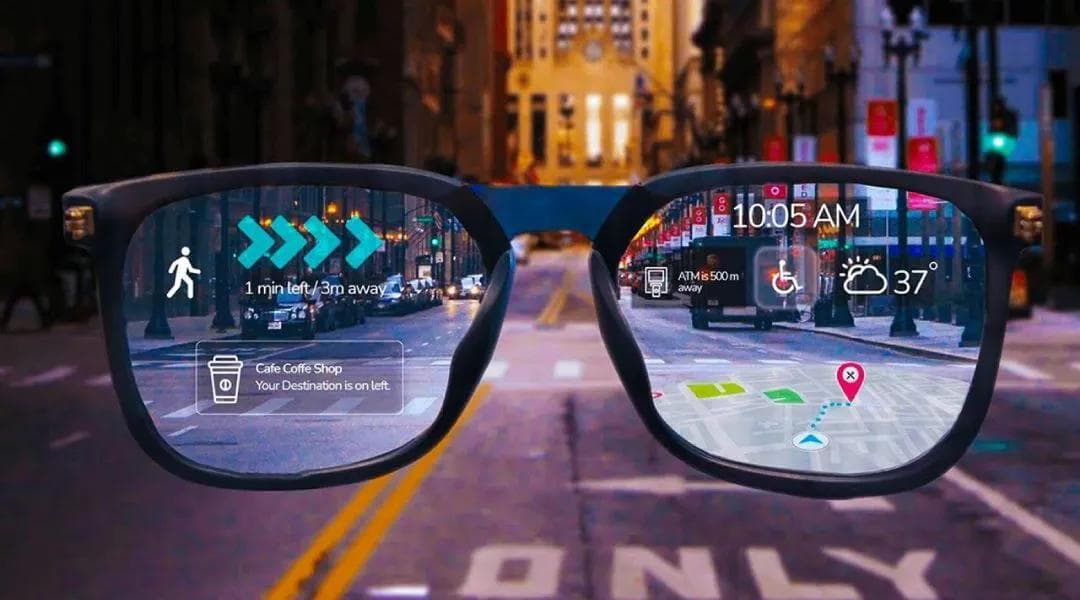
Meta glasses, camera-enabled wearables, “AI glasses,” audio-first frames with always-on assistants — the pitch is simple: hands-free productivity. Take a call while you’re walking the warehouse. Record a quick training clip. Ask an AI to summarize a conversation. Capture photos without pulling out a phone. It’s slick. It’s useful. It genuinely feels like the future.
But there’s a second part to that story that most businesses have not fully absorbed yet:
If a device can see and hear what your employees see and hear, it can capture your most sensitive information — and expose it in ways that don’t look like a traditional data breach.
And that’s the problem. We’re trained to look for “breaches” as compromised accounts, phishing emails, ransomware, leaked passwords, or someone sending a file to the wrong person.
Smart glasses don’t need any of that to create a crisis.
The Call That Changed How I Think About Wearables
A client called me one morning with that tone every IT person recognizes: Something happened. We don’t know how bad it is yet.
They had a production floor employee — a good employee, no bad intentions — wearing smart glasses on the job. It wasn’t even hidden. The person liked them for hands-free convenience and the occasional “quick video for later” to remember steps or show someone how a process worked.
The issue wasn’t that they were trying to steal IP.
The issue was that they were unintentionally recording a large portion of the company’s proprietary manufacturing process — the exact steps, the equipment setup, the timing, the methods, the “special sauce” that makes that business competitive.
Not a hacked email.
Not stolen credentials.
Not malware.
Just… a camera.
And it didn’t stop there. Because when you record something, you usually share it. Maybe it goes to a personal cloud account. Maybe it gets uploaded to an app. Maybe it sits in a gallery that syncs automatically. Maybe it’s posted as a harmless “day in the life” clip.
Suddenly, you’re not dealing with a conventional security incident — you’re dealing with uncontrolled capture and distribution of intellectual property.
The scariest part?
No one had ever really thought about it.
This Wasn’t a “Data Breach.” It Was Worse in a Different Way.
When most companies think “sensitive data,” they picture spreadsheets, invoices, financial statements, customer lists, or email attachments. Things that live in systems.
But smart glasses shift the threat model from data in systems to data in the real world.
They can capture:
- Whiteboards with plans, passwords, or network notes
- Manufacturing processes and proprietary workflows
- Shipping labels, customer details, product SKUs
- Screens displaying internal systems
- Conversations that were never meant to be recorded
- Physical documents lying on desks
This is why the situation hit so hard: it didn’t fit the mental pattern of a breach.
No alarms triggered. No account login from Russia. No suspicious forwarding rules. No antivirus pop-ups. Nothing.
Just a wearable doing what it was designed to do.
The Question That Followed: “What Is Our Accounting Department Wearing?”
Once you see this once, you can’t unsee it.
If a production floor can be recorded, what about the rest of your business?
- Is someone in accounting wearing smart glasses while reviewing banking details?
- Are financials visible on screens in the background of a “quick photo”?
- Could a wearable pick up a conversation about payroll, cash flow, acquisitions, pricing, or layoffs?
- Are boardroom discussions being accidentally captured because someone “just forgot” the device was recording?
- Are client names, invoices, and account numbers being exposed without anyone realizing?
It’s not paranoia — it’s basic reality:
Many people treat wearables like accessories, not like recording devices.
And businesses treat them like “personal items,” not like endpoints.
That gap is where the risk lives.
Why Smart Glasses Create a New Kind of Insider Risk
Traditional insider risk is framed as malicious behavior: stealing files, selling data, copying customer lists.
Wearables create a massive category of non-malicious insider exposure:
- The employee doesn’t feel like they’re “accessing data,” they’re just living their life.
- The recording is incidental. The leak happens later through sync, sharing, or a social post.
- The employee might not even understand where the footage is stored or who can access it.
You can’t fix that with stronger passwords.
You fix it with policy, training, and practical controls that match the modern world.
What Businesses Should Do Now
You don’t need to ban every new gadget overnight. But you do need to stop assuming “no breach” means “no exposure.”
Here are the practical steps I recommend:
1) Define “No Recording Zones”
Start with obvious places:
- Production floors with proprietary processes
- R&D areas
- Accounting and finance spaces
- HR / payroll discussions
- Meeting rooms where sensitive topics are discussed
Make it explicit: no cameras, no smart glasses, no recording wearables.
If phones are allowed today, you may need the same rule for phones — but smart glasses make this harder because they’re less visible.
2) Update Your Acceptable Use Policy (AUP)
Most AUPs talk about laptops, email, and internet usage. Add a clear section on:
- Wearables with cameras/mics
- Always-on assistants
- Personal recording devices in sensitive areas
- Personal cloud syncing of workplace recordings
This isn’t about being controlling — it’s about being clear.
3) Add a Simple Employee Training Moment
Not an hour-long compliance video.
A short, direct message:
- “If it can record, it’s a risk.”
- “If you wouldn’t livestream it, don’t record it.”
- “If you’re in finance/HR/production, wearables with cameras are not allowed.”
Most people want to do the right thing. They just need the rule to exist.
4) Think Beyond IT: Include Operations and HR
This isn’t just a cybersecurity issue. It’s:
- Intellectual property protection
- Workplace privacy
- Compliance and legal risk
- Customer confidentiality
Operations leaders understand process value. HR understands policy enforcement. IT understands controls and incident response.
Get all three at the table.
5) Have an Incident Plan for “Accidental Recording”
Because eventually, it will happen.
Your plan should answer:
- Where was it stored (personal cloud, app account, device gallery)?
- Was it shared externally?
- Can it be removed / taken down?
- Do you need legal involvement?
- What do you do to prevent recurrence?
The Takeaway
Smart glasses are awesome wearables. The technology is genuinely impressive.
But businesses can’t treat them like fashion accessories.
A camera on a face is different than a camera in a pocket. It’s easier to forget, easier to use, and easier to normalize — and that’s exactly why it can expose your most sensitive information without anyone meaning to.
The real question isn’t “Are smart glasses good or bad?”
It’s this:
Are you ready for a world where your business can be recorded from the inside — accidentally — in high definition?
If you’re not sure, you’re not alone.
That client wasn’t either… until it happened.
Call to Action: Strategic Technology Advice That Keeps You Ahead
Wearables like smart glasses are just one example of how “normal” consumer tech can quietly create business risk. The companies that stay ahead aren’t the ones banning everything — they’re the ones building clear policies, practical guardrails, and a technology strategy that matches how people actually work.
If you want a second set of eyes on your environment, policies, and real-world workflows (from the production floor to accounting), reach out. I help business owners turn these emerging tech risks into a clear, prioritized plan — without fear-mongering, and without sales pressure.