Be a Force Multiplier: Our 2026 Resolution for Canadian SMBs
There's nothing quite like the feeling of getting a call from a client who's just closed their biggest deal yet—and knowing that the CRM system you implemented played a crucial role in making it happen. Or hearing that a manufacturing client passed a critical IT security audit, opening doors to enterprise contracts they could only dream about before. These aren't just wins for our clients; they're the moments that fuel our team at Evolved Technology Group.
As we step into 2026, we're making a resolution that goes beyond the typical "grow our business" or "expand our services." Our commitment is simple but powerful: become a true force multiplier for Canadian small and medium-sized businesses. We want to help as many SMBs as possible achieve real, measurable growth by leveraging modern technology practices that put them leagues ahead of their competition.
In an economic climate where Canadian businesses face rising costs, labour shortages, and increasing complexity in compliance requirements, the companies that will thrive aren't necessarily the ones with the biggest budgets—they're the ones using technology strategically. And that's exactly where we come in. We're addicted to seeing the tools and workflows we implement yield tangible results, and in 2026, we're doubling down on that mission.
What Does Being a "Force Multiplier" Actually Mean?
In military terminology, a force multiplier is a factor that dramatically increases the effectiveness of a team without proportionally increasing resources. In business technology terms, it means implementing systems and processes that allow your team to accomplish exponentially more with the same number of people, the same budget, and the same hours in the day.
Think about it this way: if your sales team is manually tracking leads in spreadsheets, spending hours each week on data entry, and missing follow-ups because things slip through the cracks, they're operating at maybe 40-50% efficiency. Implement a properly configured CRM with automation, and suddenly that same team is operating at 90-100% efficiency—reaching more prospects, closing more deals, and actually enjoying their work more because they're freed from tedious administrative tasks.
This is the difference between incremental improvement and transformational growth. We've seen manufacturing clients reduce quote turnaround time from days to hours. We've watched professional services firms eliminate billing errors entirely through automated time-tracking integration. We've helped healthcare practices see patient volume increase by 30% without hiring additional administrative staff, simply by optimizing their scheduling and patient communication workflows.
The best part? These aren't massive corporations with unlimited IT budgets. These are Canadian SMBs—companies with 10 to 200 employees, operating in competitive markets, looking for every advantage they can get.
Why Economic Uncertainty Demands Better Technology, Not Less
When economic conditions tighten, the instinctive reaction for many business owners is to cut costs, and unfortunately, technology investments often end up on the chopping block. This is exactly backward.
Challenging economic times are precisely when technology becomes your competitive differentiator. While your competitors are pulling back, reducing capacity, and trying to weather the storm, strategic technology implementation allows you to do more with less—serve customers better, operate more efficiently, and position yourself to capture market share when conditions improve.
We've witnessed this pattern repeatedly throughout economic cycles. The businesses that emerge stronger aren't the ones that simply survived by cutting everything to the bone. They're the ones that invested strategically in capabilities that made them more resilient, more efficient, and more competitive.
Consider a construction company we worked with in 2023. Facing rising material costs and labour challenges, they could have simply tried to ride it out. Instead, they implemented project management software integrated with their accounting system, automated their change order processes, and deployed mobile solutions for their field teams. The result? They reduced project administrative overhead by 35%, improved their ability to track costs in real-time, and could quote and deliver projects faster than competitors—ultimately winning contracts they would have lost before.
This is what it means to use technology as a force multiplier during uncertain times. You're not just maintaining the status quo; you're building capabilities that make you genuinely more competitive.
The Results That Keep Us Going
There's a reason we're "addicted" to implementation success stories—they represent real impact on real businesses. Every percentage point of efficiency gain, every hour saved, every new customer captured because of a smoother process—these add up to something meaningful.
Doubled sales pipelines. We've worked with B2B service companies where implementing a proper CRM system with lead scoring, automated follow-ups, and pipeline visibility literally doubled their sales within 12 months. Not because they hired more salespeople or increased their marketing budget dramatically, but because they stopped losing opportunities in the cracks and started nurturing leads systematically.
Critical audit passes leading to major contracts. For businesses serving enterprise clients or operating in regulated industries, passing IT security audits and compliance requirements isn't optional—it's the price of entry. We've helped numerous Ontario businesses implement the documentation, security controls, and policies needed to pass SOC 2 audits, PIPEDA compliance reviews, and client security assessments. In several cases, passing these audits opened doors to contracts worth hundreds of thousands of dollars annually.
Operational efficiency that creates capacity for growth. Perhaps the most common impact we see is businesses discovering they have capacity they didn't know existed. When administrative tasks are automated, when information flows seamlessly between systems, when teams can collaborate effectively without endless email chains—suddenly there are hours in the day that didn't exist before. This newfound capacity can be redirected toward revenue-generating activities, strategic initiatives, or simply better work-life balance for business owners.
These aren't hypothetical benefits or vendor promises. These are actual outcomes we've helped Canadian SMBs achieve, and they're the stories that motivate us to keep pushing for better solutions.
Modern Technology Practices That Drive Real Growth
So what does "modern technology practices" actually mean for a Canadian SMB? Let's get specific about the approaches that consistently deliver results.
Integrated systems over point solutions. One of the biggest technology traps SMBs fall into is accumulating disconnected tools—one system for CRM, another for project management, a different one for accounting, and none of them talking to each other. The magic happens when these systems integrate seamlessly. Your CRM should feed your project management tool, which should connect to your time tracking, which should flow into your accounting system. This integration eliminates duplicate data entry, reduces errors, and provides visibility across your entire operation.
Automation of repetitive tasks. Every business has them—tasks that must be done but don't require human judgment. Data entry, follow-up emails, status reports, invoice generation, appointment reminders. These are perfect candidates for automation. The cumulative time savings are substantial, but equally important is the elimination of human error and the improved consistency of execution.
Cloud-based flexibility and accessibility. The pandemic proved what we'd been advocating for years—cloud-based systems provide resilience and flexibility that on-premise solutions simply can't match. But beyond disaster preparedness, cloud solutions enable remote work, facilitate collaboration, and typically offer better security than most SMBs can implement on their own. For Canadian businesses, this also means working with providers who understand PIPEDA requirements and data sovereignty considerations.
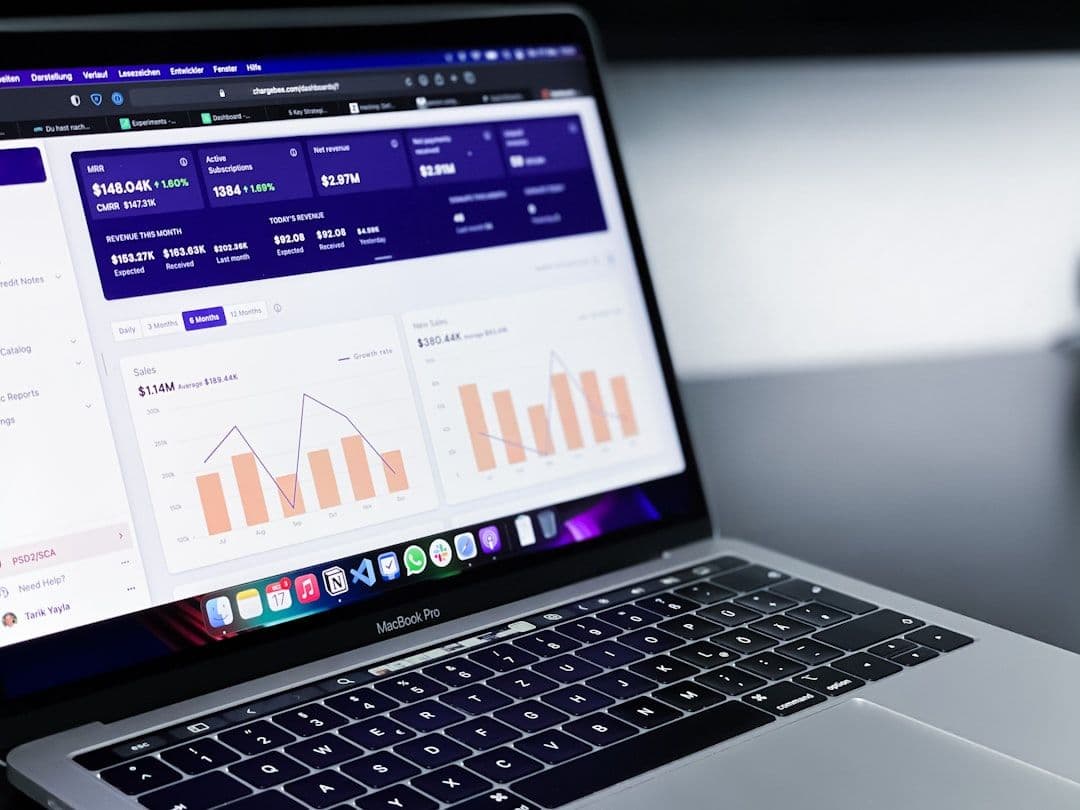
Data-driven decision making. When your systems are integrated and your data is clean, you can start making decisions based on actual insights rather than gut feel. Real-time dashboards showing your sales pipeline, project profitability, cash flow projections, and operational metrics transform how you run your business. You spot problems earlier, identify opportunities faster, and can confidently make strategic decisions.
Our 2026 Commitment: Partnership, Not Just Service Delivery
Here's what makes our New Year's resolution different from a typical business goal: we're not just committing to growing our client base or increasing revenue. We're committing to being genuine partners in our clients' growth.
This means we're invested in your actual results, not just completing implementations. Anyone can install software. What matters is whether that software drives business outcomes. Our approach involves understanding your specific business challenges, designing solutions that address those challenges, implementing with minimal disruption, and then measuring the actual impact.
We follow up. We check in. We want to hear that you've doubled your sales or passed that critical audit. And when something isn't working as well as it should, we adjust and optimize until it does.
For Canadian SMBs specifically, this means understanding your context. We know that a healthcare practice in Ontario faces different requirements (PHIPA compliance) than a manufacturing company in Alberta. We understand that Canadian businesses often compete with larger US companies that have bigger technology budgets, making efficiency even more critical. We recognize that finding and retaining talented staff is challenging across Canada, making it essential to provide teams with modern tools they actually want to use.
This contextual understanding matters. It's the difference between generic technology consulting and truly strategic partnership.
Technology as a Growth Engine, Not a Cost Center
The fundamental shift we want to help Canadian SMBs make is viewing technology as a growth engine rather than a necessary cost. When technology is just about "keeping the lights on"—maintaining email, backing up files, fixing broken computers—it's absolutely a cost center. But when technology is driving revenue growth, enabling competitive advantages, and creating operational leverage, it becomes one of your most valuable assets.
This mindset shift changes everything about how you approach technology decisions. Instead of asking "what's the cheapest option?" you ask "what will deliver the best return?" Instead of deferring upgrades and improvements, you prioritize them based on potential business impact. Instead of viewing your IT partner as an expense to minimize, you see them as a strategic advisor whose expertise directly contributes to your success.
We've seen this transformation happen with clients, and it's remarkable. Once business owners start experiencing real returns from technology investments—measurable improvements in sales, efficiency, customer satisfaction, or competitive positioning—they become eager to explore what else is possible. Technology transforms from something they have to think about to a competitive weapon they're excited to leverage.
Conclusion
As we embark on 2026, our resolution at Evolved Technology Group is crystal clear: help as many Canadian SMBs as possible achieve real, measurable growth through modern technology practices that make them more competitive, more efficient, and more resilient than their competitors.
We're committed to being the partner that helps you not just survive economic uncertainty, but thrive through it by leveraging technology as a true force multiplier. We want to be the ones you call when you've just won your biggest contract or doubled your sales, because we played a role in making that happen.
The businesses that will excel in 2026 and beyond aren't the ones with the biggest budgets—they're the ones using technology most strategically. They're the ones whose workflows are optimized, whose systems are integrated, whose teams are empowered with the right tools, and whose leaders can make decisions based on real-time data rather than guesswork.
At Evolved Technology Group, we help Canadian businesses transform technology from a cost center into a competitive advantage that drives measurable growth. Contact us to learn more about how we can become a force multiplier for your business in 2026.